Growing Tomato Plants From Seed

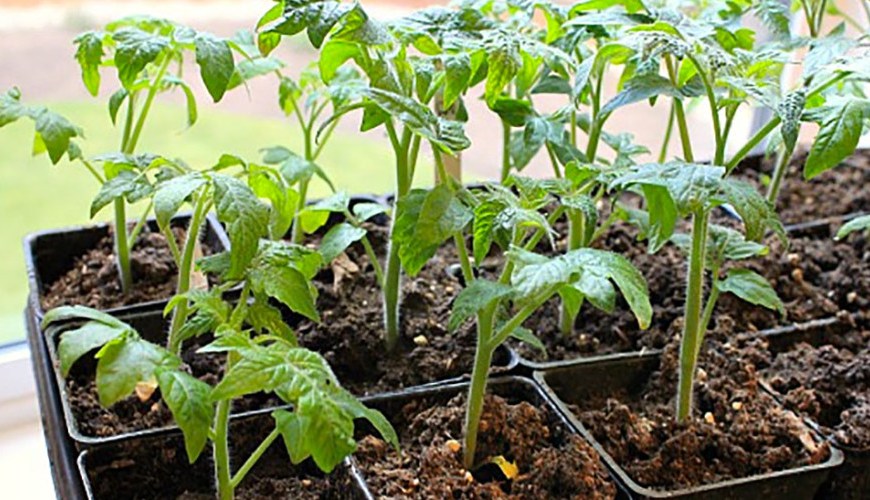
Growing tomato plants from seed is relatively easy and growers both big and small have been doing so for centuries. However, to produce top quality seedlings a well-orchestrated plan for germination and cultural practices based on the latest research, is most advantageous. The following plan/guide lays out step by step how to produce top notch tomato seedlings. Materials needed: Potting media: Use a commercially prepared peat-lite … Continue reading Growing Tomato Plants From Seed

Magnolia Scale Identification and Treatment

Magnolia scale (Neolecan cornuparvum) are one of the largest soft scale insects in North America measuring 1/2″. They feed on the sap of magnolias weakening them. Their feeding creates a sticky mess that attracts wasps, ants and the like. The sticky leaves grow black sooty mold on them, and the beauty of the tree is greatly marred. Identification If your Magnolia tree has Magnolia Scale … Continue reading Magnolia Scale Identification and Treatment

Boxwood Blight Verses Volutella Blight; Symptoms, Causes and Treatment

Boxwood Blight Symptoms and Causes Boxwood Blight (also known as Cylindrocladium buxicola) is an aggressive fungal disease caused by the fungi Calonectria pseudonaviculata.  This disease strikes healthy Boxwood, quickly causing mass defoliation. You will typically see Boxwood Blight flair up during rainy or humid seasons, where the leaves stay wet for extended periods of time. If the fungi are present during ideal conditions, they will begin … Continue reading Boxwood Blight Verses Volutella Blight; Symptoms, Causes and Treatment

Sun Scald – Preventing Southwest Injury On Deciduous Trees

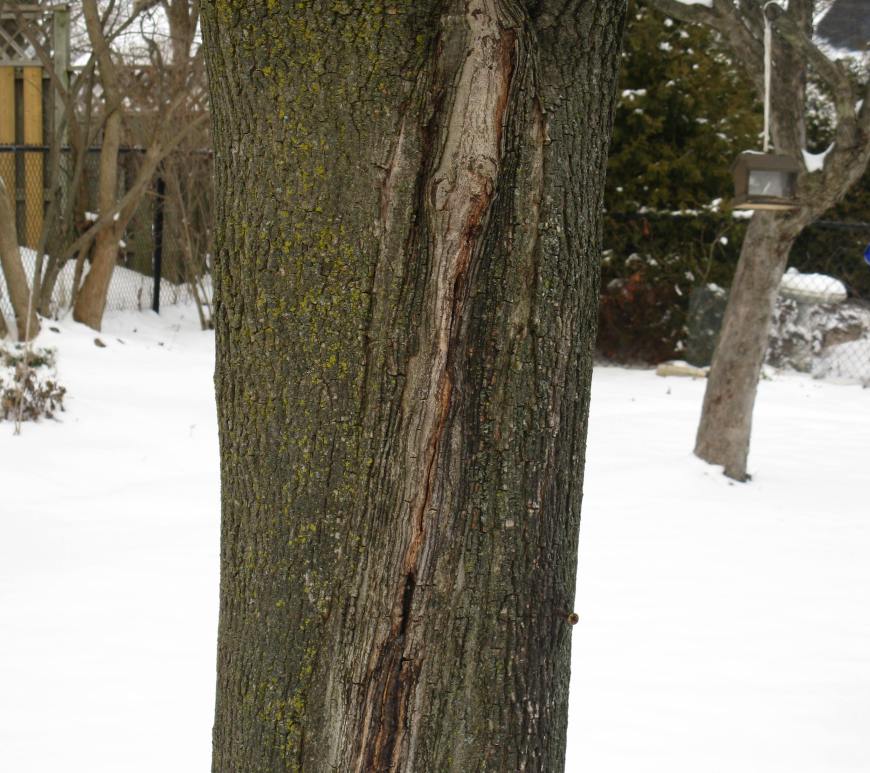
Winter in the garden can be a very beautiful sight indeed, but it certainly can have many downsides, at least from a plant’s perspective. One of these down-sides is sun scald injury to deciduous tree trunks (commonly known as Southwest injury). What is Southwest Injury? Which trees are most susceptible? What can be done to prevent Southwest injury? What is Southwest Injury?        Southwest injury also … Continue reading Sun Scald – Preventing Southwest Injury On Deciduous Trees

When To Prune Trees, Shrubs, Roses and Vines

Late winter till early spring (Feb. to the beginning of Apr.) is the best time to prune many of your trees and shrubs. With pruning season nearly upon us here is a pruning schedule for many of the commonly grown trees and shrubs. Deciduous Trees: Prune out all dead, diseased and damage branches from late winter until early spring. Also prune out any crossing branches … Continue reading When To Prune Trees, Shrubs, Roses and Vines

Pruning Techniques And Terminology

Shearing:  Is the removal of all the growing tips off of a shrub or tree using a hand or electric shear. It is generally used to create a denser plant with a more formal look, such as hedges, screens, topiaries and borders. Boxwoods, yews, cedars, privets and some junipers respond well to this type of pruning. Many shrubs however, do not prosper from this type of pruning. … Continue reading Pruning Techniques And Terminology

17 Essential Plant Nutrients and Their Role in Plant Health

There are 90 or more plant nutrients, 17 of which are essential to plant health. Nickle was the newest to the list in the 1980’s. 3 are considered Basic Macronutrients or atmospheric elements and are usually available in sufficient quantities through air, water and soil. Note: Nitrogen is also considered an atmospheric element, as air consists of 78% nitrogen (N2). However, atmospheric nitrogen is not … Continue reading 17 Essential Plant Nutrients and Their Role in Plant Health

Mycorrhizae Fungi -Your Plants Ticket to Good Health

What are Mycorrhizae Fungi? The word Mycorrhizae literally means ‘Fungus Root’ coming from the Greek words ‘mycos’ meaning fungus, and ‘rhiza’ meaning root.  Mycorrhizae are special soil fungi that form a symbiotic relationship with plant roots. In this association both organisms’ benefit. The fungi attach themselves to the roots and feed on the sugars (carbon) produced by the plant during photosynthesis. In exchange the fungi … Continue reading Mycorrhizae Fungi -Your Plants Ticket to Good Health

Identifying and Correcting Soil Problems

IDENTIFYING & CORRECTING SOIL PROBLEMS: Some soils have special challenges to face that go beyond texture, pH imbalances and nutrient deficiencies. Failure to address these issues will usually result in poor plant health even death.  HARDPAN: Hardpan is an impervious layer of soil at or near the soil surface. Roots, nutrients and water can barely (if at all) penetrate it. It is a difficult condition to … Continue reading Identifying and Correcting Soil Problems

FERTILIZERS – Natural Verses Synthetic

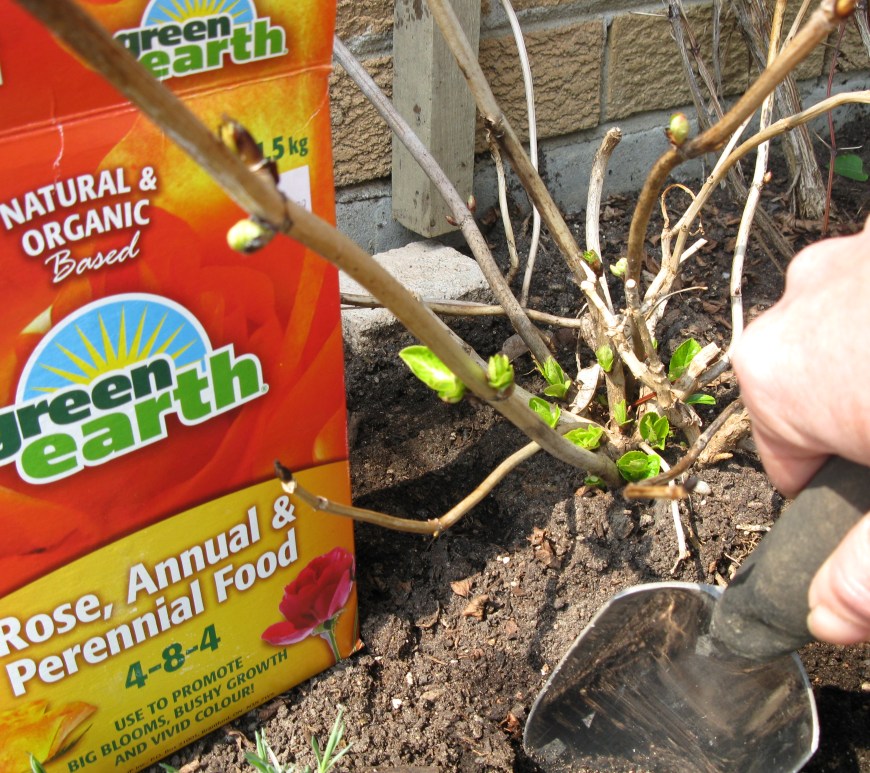
Wikipedia defines fertilizer as “any organic or inorganic material of natural or synthetic origin (other than liming materials) that is added to a soil to supply one or more plant nutrients essential to the growth of plants.” Many of the nutrients essential to plant growth already exist in sufficient amounts in your soil and require no further supplementation. While others quickly can become depleted and … Continue reading FERTILIZERS – Natural Verses Synthetic

Soil pH and it’s Importance

What is pH? The small “p” stands for potential, and the capital “H” stands for Hydrogen. It pertains to a soil’s acidity or alkalinity. In some gardening books you may see soil described as being sweet or sour. Sweet soil means a soil is alkaline whereas a sour soil means it is acidic. Why is pH important to plant health? A soils pH is of paramount … Continue reading Soil pH and it’s Importance

SOIL TEXTURE AND SOIL STRUCTURE

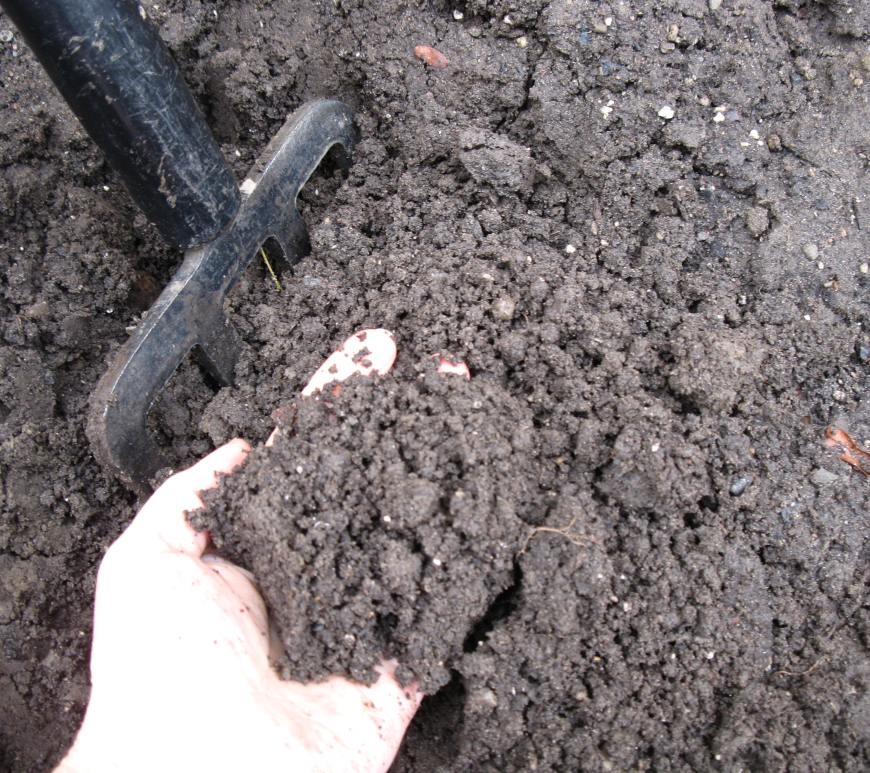
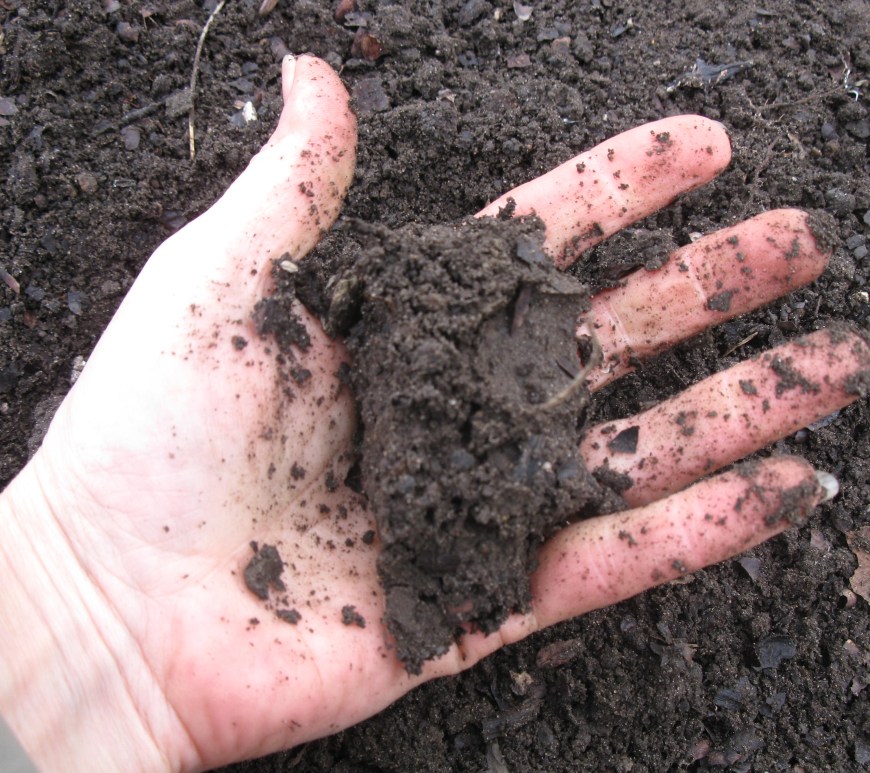
Soil Texture Is one of the most important things to know about your soil. Soil is comprised of different sizes of mineral particles. The relative amounts of each of these different sized particles constitute a soils texture. There are 3 main soil textures; sandy, silty or clayey and there are pluses and minuses to each one. Get a container and collect a small sample of … Continue reading SOIL TEXTURE AND SOIL STRUCTURE