
Ornamental Garden Calendar For July
Trees and Shrubs Perennials Annuals Weeds Lawns Miscellaneous Photo credits: all photos taken by the author. All rights reserved Terms of use Continue reading Ornamental Garden Calendar For July

Trees and Shrubs Perennials Annuals Weeds Lawns Miscellaneous Photo credits: all photos taken by the author. All rights reserved Terms of use Continue reading Ornamental Garden Calendar For July

Lily Beetles (Lilioceris lilii) are a damaging pest insect for lily (Lilium spp.) growers. The pest chews on the leaves, flowers and stem leaving them looking ragged. If the pest numbers are high enough complete defoliation can occur. Early detection and vigilance are key to managing this pest naturally. Damage to Plants Both the larvae and the adults feed on mainly Asiatic lilies and fritillaries. … Continue reading Lily Beetles
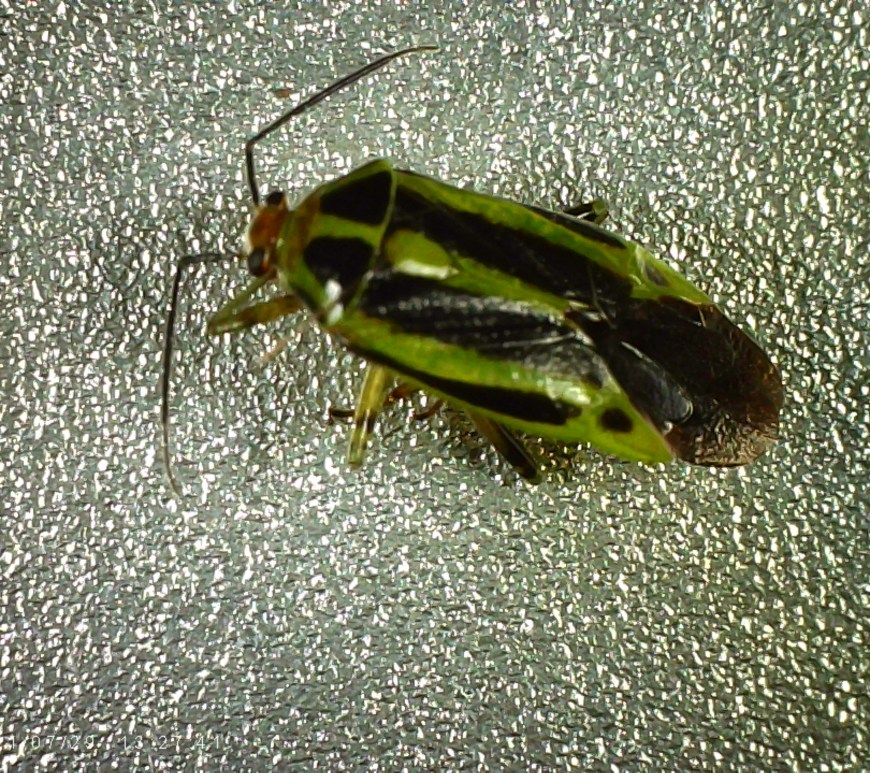
Four-lined Plant Bugs (Poecilocapsus lineatus) are small and fairly attractive insects, but they are capable of quickly creating extensive damage to many herbs and ornamental plants in the garden. This is largely due to the powerful digestive enzymes contained in their saliva, which is injected into the plant tissue while they are feeding. Most of the damage occurs to the newest growth, on the tips … Continue reading Four-lined Plant Bug
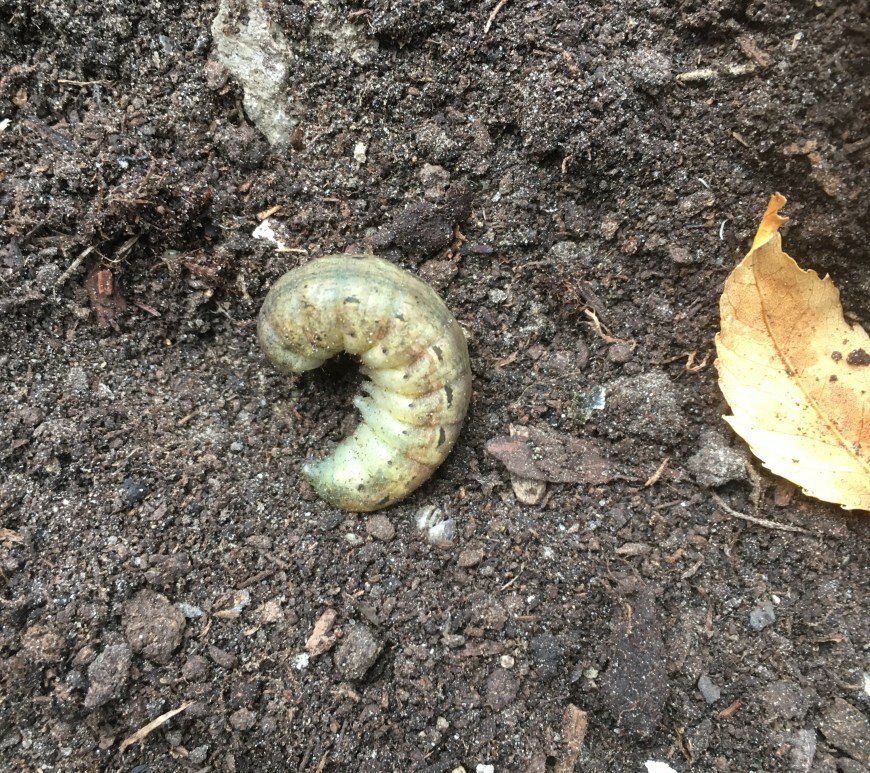
Cutworms are a destructive pest insect of a wide variety of plant material. Many home gardeners have encountered them in the vegetable garden, where they chew through the stems of their seedlings, cutting them off near the soil line. There are hundreds of species of cutworms and appearances can vary, as well as habitat, food preferences and life cycle. There are however several general characteristics, … Continue reading Cut Worms in Home Gardens

Growing turf grass in shady areas under and around large trees is certainly challenging. Especially trees like Maples that root close to the surface and drink up a lot of water all season long. A good turf choice in these areas is Creeping Red Fescue (Festuca rubra). Creeping Red Fescue prefers to dry out a bit between watering, requires less fertilizer, has a high tolerance … Continue reading Creeping Red Fescue For Shady Turf Areas

May is one of the busiest and exciting times in the garden. The days are getting warmer and longer. Plants are quickly filling out, weeds are establishing, and insects are buzzing all around. The trees are breaking out in leaf and spring flowering trees and shrubs are putting on their show. Mid May is also when we here in southern Ontario typically begin planting out … Continue reading Ornamental Garden Calendar for May

Most people are familiar with these slimy pests, that cause extensive damage to gardens, both ornamental and food. Slugs and snails while thought of as insects to most gardeners, are actually invertebrate animals known as molluscs or mollusks (along with oysters, clams and squid). They have been around for about 500 million years (BYJU’S, (n.d.)) with about 85,000 known species (Wikipedia, (rev. 9 April 2022)). … Continue reading Slugs and Snails in the Ornamental Garden
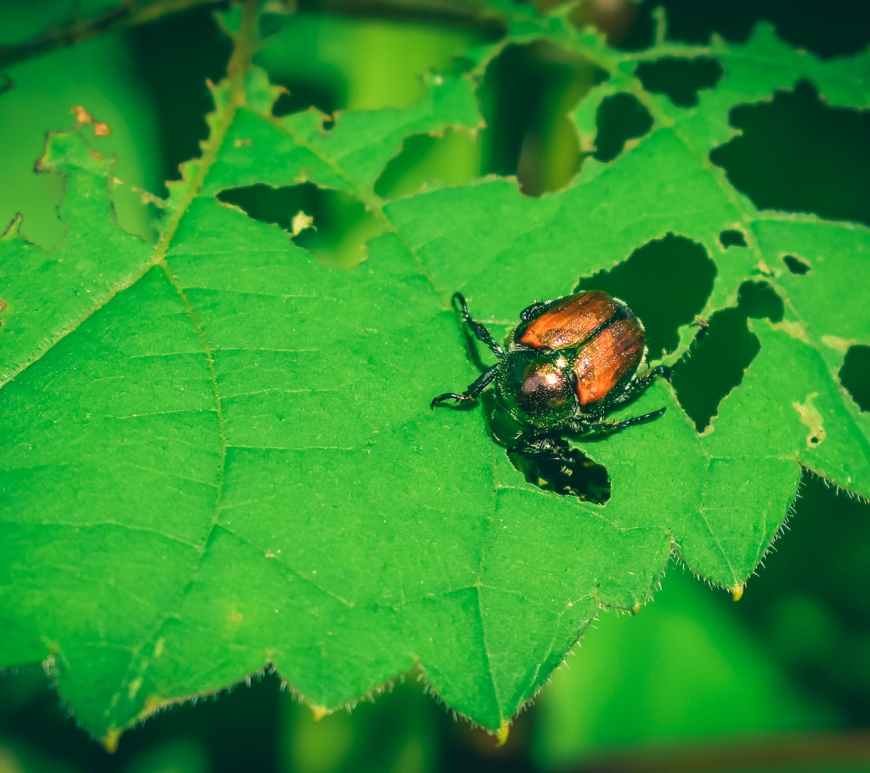
Japanese Beetles (Popillia japonica) are a highly destructive and invasive pest, both in the adult and larva stages. The larvae are white grubs that feed on the roots of mainly grasses. While the adults feed on the leaves of over 300 types of plants, skeletonizing them. The adults are able to fly up to 8 km (5 miles) with a good wind, in search of … Continue reading Japanese Beetles

What Are Galls? Galls are unusual growths or deformities of plant tissue caused by an organism; be it insect, nematodes, fungi, bacteria or viruses. The presence of these organisms initiates an increased production of normal plant growth hormones and these plant hormones cause localized plant growth. The gall-making organism feeds inside the gall. The appearance of the gall is unique to the gall maker and … Continue reading Willow Leaf Gall Sawfly

The spongy moth (Lymantria dispar), is an invasive and highly destructive pest. When their numbers are high the larvae can completely defoliate trees, even forests. Formerly known as the gypsy moth, it was renamed by The Entomological Society of America in Feb. 2022. This species has a few sub-species including: Lymantria dispar dispar, Lymantria dispar asiatica, Lymantria dispar japonica, Lymantria umbrosa, Lymantria postalba and Lymantria albescens. They are often … Continue reading Spongy Moth aka. Gypsy Moth
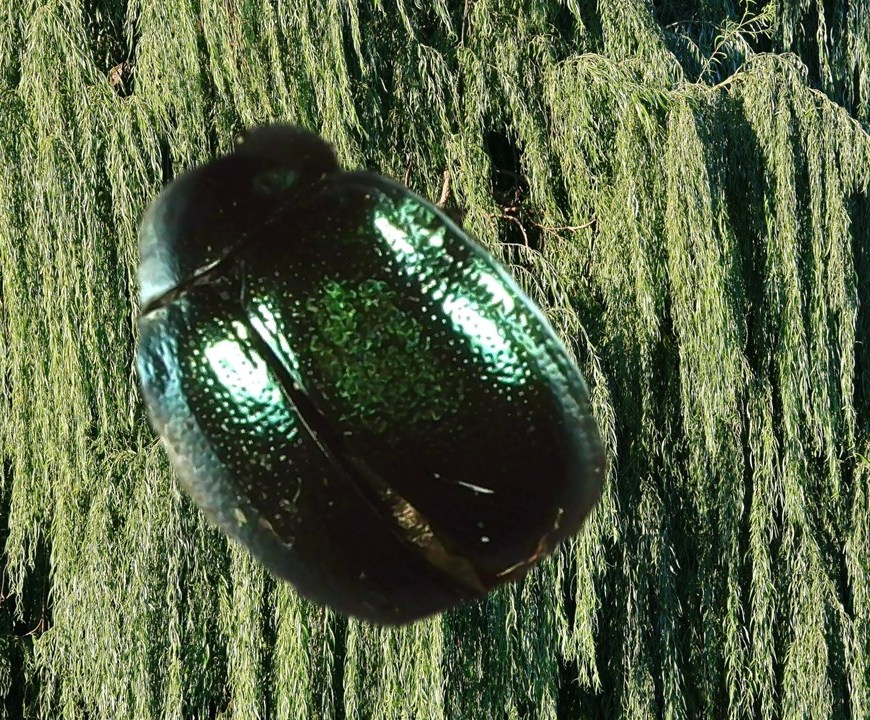
The Imported Willow Leaf Beetle (Plagiodera versicolora) is a small metallic-blue-green beetle with an insatiable appetite for willow and poplar trees. Native to Europe, the beetle was introduced to North America in 1915 and is predominantly found in the eastern U.S. and south/eastern Canada. Identification and Damage Adults: beetles are small, about 4 or 5 mm long ( 1/8″), metallic blue-green in colour, with an … Continue reading Imported Willow Leaf Beetle

Few plants can match the tropical appeal and spectacular presence of Canna Lilies. Growing from three to over six feet in a single season, these trouble-free beauties originated in South America and the West Indies and have become a favourite here in North America. Starting Your Bulbs in Pots Indoors: March is an excellent month to start your Canna Lily bulbs indoors. Follow these simple … Continue reading How to Plant Canna Lily Bulbs

April is traditionally a busy month in the garden. Spring cleanup begins and there are a host of other tasks to tend to. Following is a list of tasks and things to look out for, in your ornamental gardens in April. Note: these times are approximate and can vary depending on the weather and on your specific hardiness zone. The zone I write from is a zone … Continue reading Ornamental Garden Calendar for April
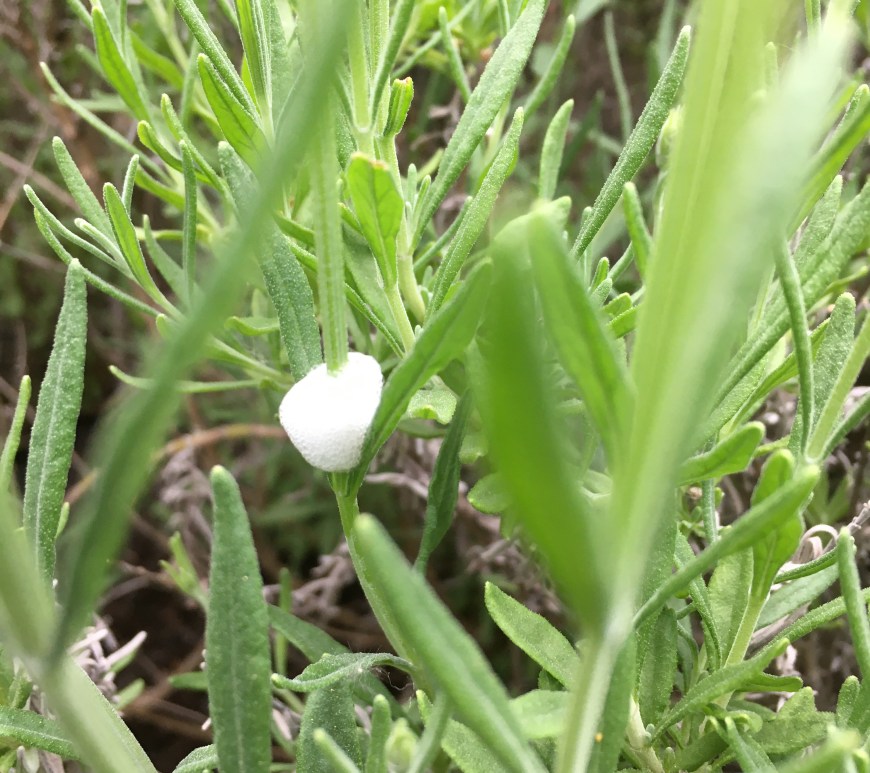
There are approximately 2500 spittlebug species worldwide (Deitz L. L. et. al., (2008)). Most of these live in the tropics with only about 60 species living in North America (Missouri Department of Conservation, (n.d.)). In Canada they are mostly found along the very southern end of the country. The nymphs are referred to as spittlebugs because of the frothy, spittle-like substance they produce and cover … Continue reading Spittlebugs and Frog Hoppers

Boxwood (Buxus) have been a popular choice for ornamental gardeners, worldwide, for 1000’s of years. These versatile evergreen shrubs have graced the homes of royalty, large public gardens, commercial properties and home gardens of all styles and sizes. They are relished for their slow growth, compact size, and ability to handle tight sheering, making them popular choices for hedges and topiary. Read on to learn … Continue reading Boxwood For Ornamental Gardens

Iris borers (Macronoctua onusta), are a species of cutworms that bore through iris leaves down into the rhizomes, causing browning and wilting. Their feeding damage can also cause a disease known as bacterial soft rot, aka. root rot. This bacterial disease, caused by the bacteria Erwinia carotovora, causes the rhizome to rot and become mushy, emitting a foul odour. Iris rhizomes infected with this disease … Continue reading Iris Borers and Bacterial Soft Rot

By: Kimberley Pacholko There may still be snow and cold weather in the forecast, but it is time to get out in the garden and begin pruning many of your trees and shrubs before they bud up. If the weather cooperates it is also a good time to begin dormant oil applications and several other garden tasks. Try not to walk on wet soils. I … Continue reading Ornamental Garden Calendar For March

What is dormant oil? Dormant oil is an oil based, low-impact insecticide, that is sprayed on vulnerable woody plants during their dormant season, to kill the overwintering stage of pest insects. The oil used is typically a highly refined mineral oil to which an emulsifying agent has been added, which allows the oil to mix with water. Sometimes cottonseed oil or soybean oil are used … Continue reading Dormant Oil for the Control of Over-wintering Insect Pests
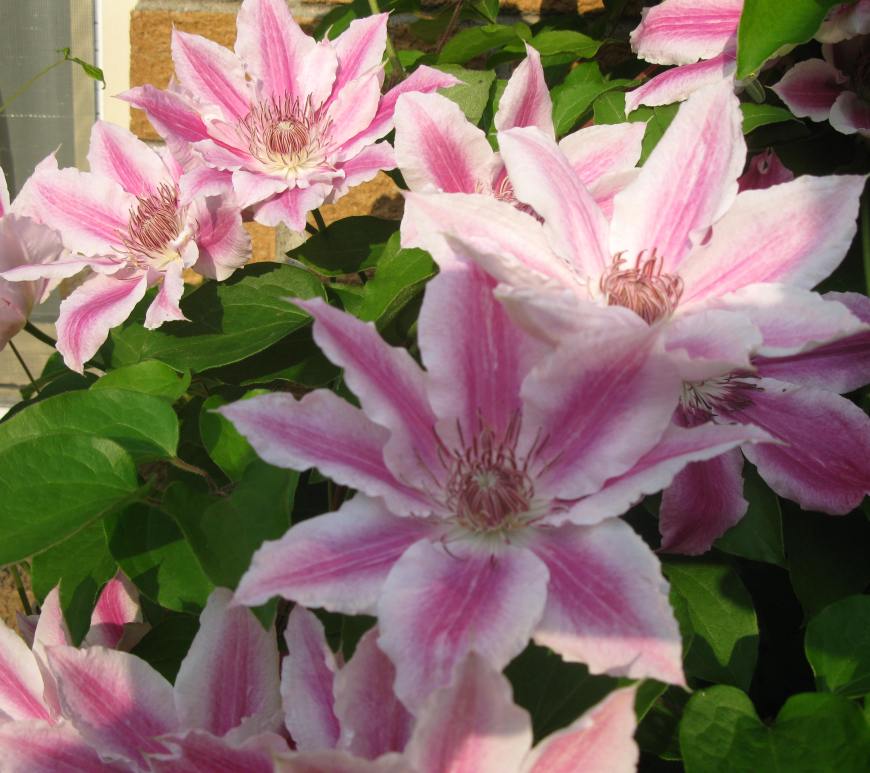
There are few flowering vines that command as much visual appeal as do Clematis. Many varieties offer near diner plate size blooms on plants that can bloom for weeks on end. Growing these amazing Clematis vines naturally, without the aid of chemicals is not only do-able but from the plants point of view preferable. For big beautiful blooms on healthy low maintenance Clematis plants try these all … Continue reading Gardening Naturally With Clematis

There are several potential causes of leaf spots on Iris including fungal infection, bacterial infection, various viruses, insect damage and various environmental factors. Of these factors fungal leaf spot is the most common and widely spread. Leaf spot diseases greatly mare the appearance of Iris plants and can kill whole leaves and eventually plants if not brought under control. Fungal Leaf Spot of Iris Iris … Continue reading Leaf Spot Diseases of Iris

 Horticulture For Home Gardeners